Types of flooring

Choosing the right flooring and insulation is essential for the comfort, energy efficiency, and aesthetics of any room.
It enhances the comfort, efficiency, and durability of your floors. Always consult professionals to ensure proper installation and optimal performance.

Considerations when choosing insulation:

Climate: Take the local climate into account and choose insulation materials that offer appropriate thermal resistance.
Moisture levels: In areas prone to high humidity, such as basements or bathrooms, use moisture-resistant insulation materials.
Sound insulation: In multi-story buildings, focus on insulation that provides sound reduction to minimize noise between floors.
Floor type: Match the insulation material to the type of flooring to ensure compatibility and effectiveness.

TYPES OF INSULATION
Underfloor heating foam insulation

The 3 mm, 5 mm, or 7 mm thick insulation is made of closed-cell, cross-linked polyolefin foam with excellent properties in terms of condensation control, long-term thermal insulation, and sound absorption.
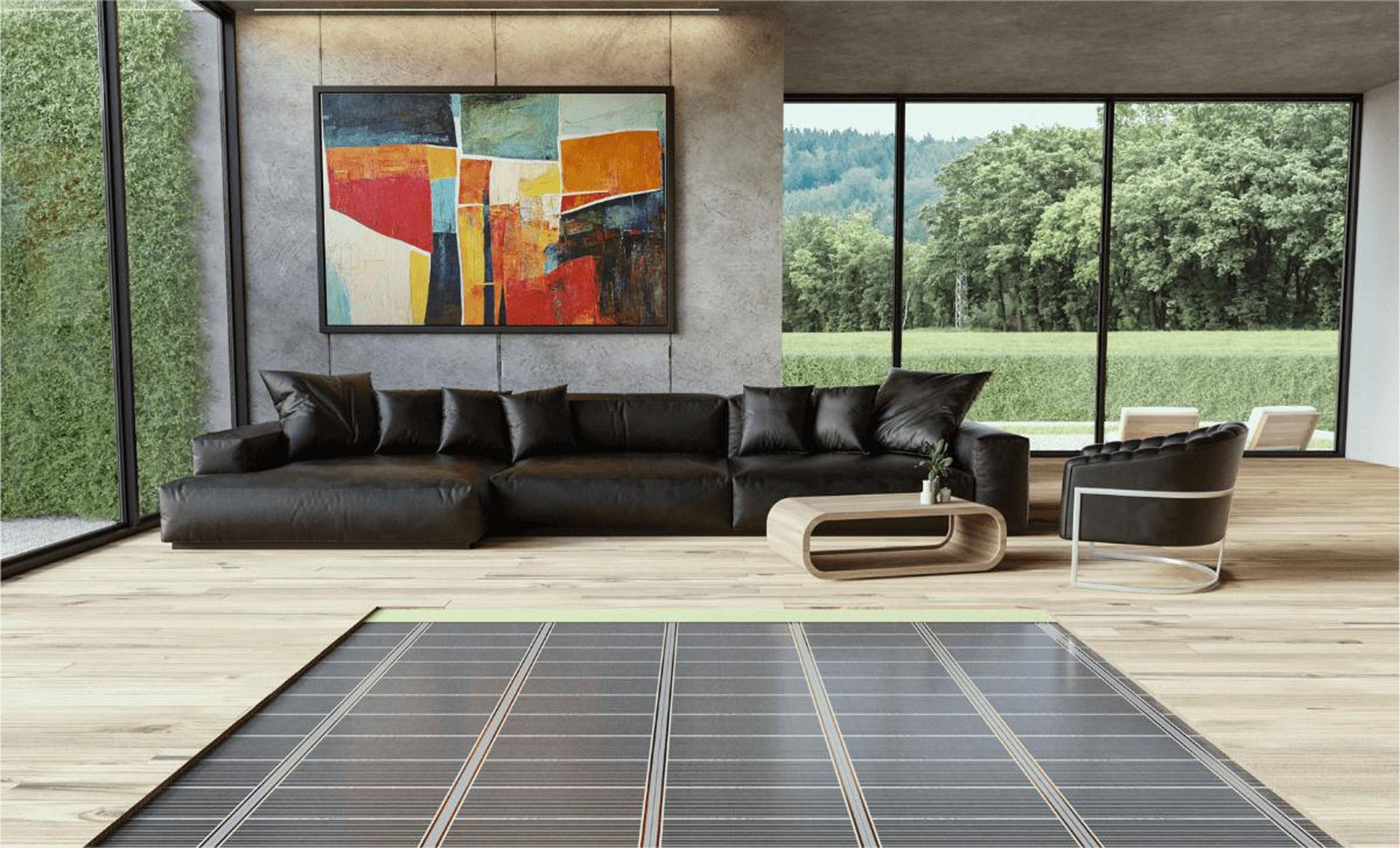
This insulation distributes heat throughout your room and prevents heat loss into the subfloor. It helps reduce your heating costs and can be used under laminate or wooden flooring.

Tile backer boards

Their primary function is to provide a level, durable, and moisture-resistant surface for tile installations. They help prevent moisture from penetrating the underlying subfloor, thereby protecting against water damage and mold growth.
Additionally, tile backer boards offer stability and support for tile installations, ensuring that the flooring remains securely in place over time.
Perfect for tiling.

XPS boards – Extruded Polystyrene (XPS) insulation panels

Extruded Polystyrene (XPS) insulation boards are a type of rigid foam insulation.
They are made from polystyrene resin combined with additives and a blowing agent, which is then extruded through a die to form a closed-cell structure. This manufacturing process results in a lightweight yet durable insulation material with excellent thermal performance, high compressive strength, and moisture resistance.

XPS boards provide effective thermal insulation, helping to reduce heat loss and energy consumption, while also improving overall comfort and the energy efficiency of the structure. Additionally, XPS boards are resistant to water absorption, making them suitable for use in damp environments and below-grade applications.
They are perfect for use under vinyl flooring.
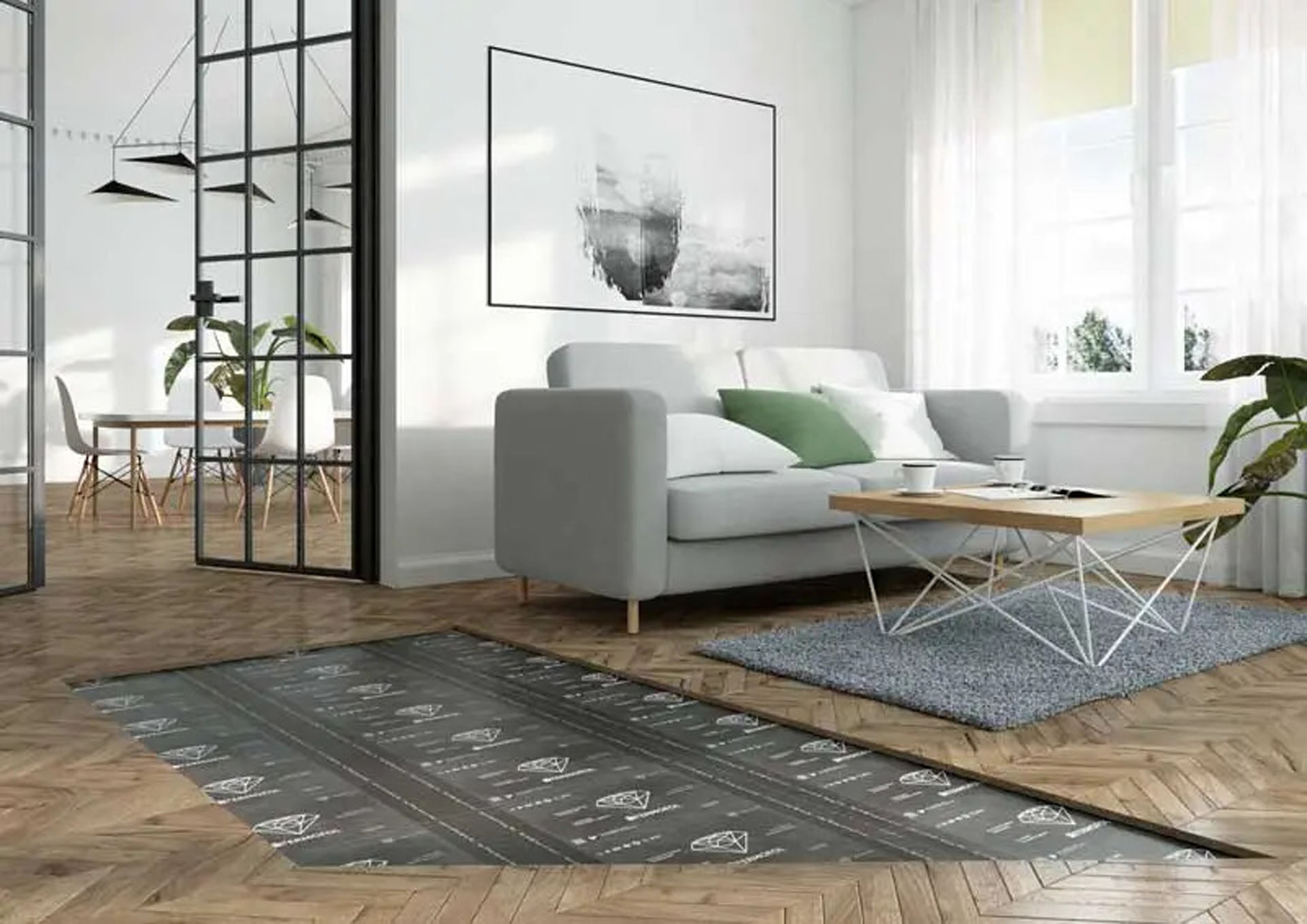

Types of flooring and their insulation
Solid wood flooring
  • Description: Solid wood floors are made from natural wood and are available in various types such as oak, maple, and cherry. They are known for their durability and timeless appeal.
  • Insulation: Use underlay materials such as cork or foam to create a moisture barrier and add a layer of thermal and sound insulation. This helps keep the floor warm and reduces noise.
 
Laminate flooring
  • Description: Laminate floors mimic the appearance of solid wood but are made from composite materials. They are cost-effective and easy to install.
  • Insulation: Laminate flooring requires an underlay made of foam or cork to cushion the floor, reduce noise, and provide thermal insulation. This also helps prevent moisture penetration.
 
Vinyl flooring
  • Description: Vinyl flooring is a synthetic material available in sheets, tiles, or planks. It is water-resistant and highly durable, making it ideal for kitchens and bathrooms.
  • Insulation: Use a foam or felt underlay to increase walking comfort and improve sound absorption. For better thermal insulation, thicker underlays or those with a reflective foil layer can be used.
Tile flooring
  • Description: Tile floors, including ceramic, porcelain, and stone, are popular for their durability and easy maintenance. They are often used in bathrooms, kitchens, and high-traffic areas.
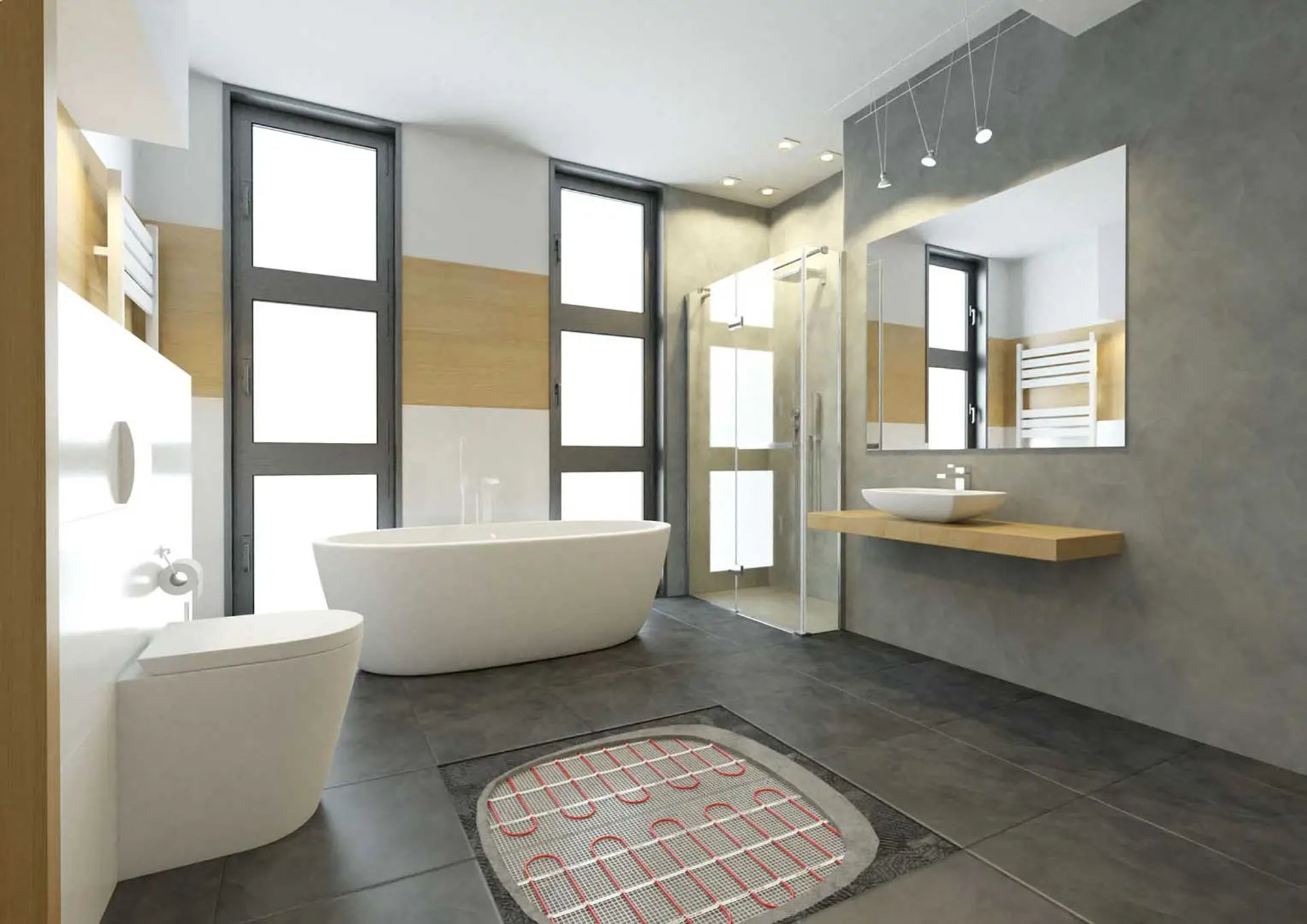
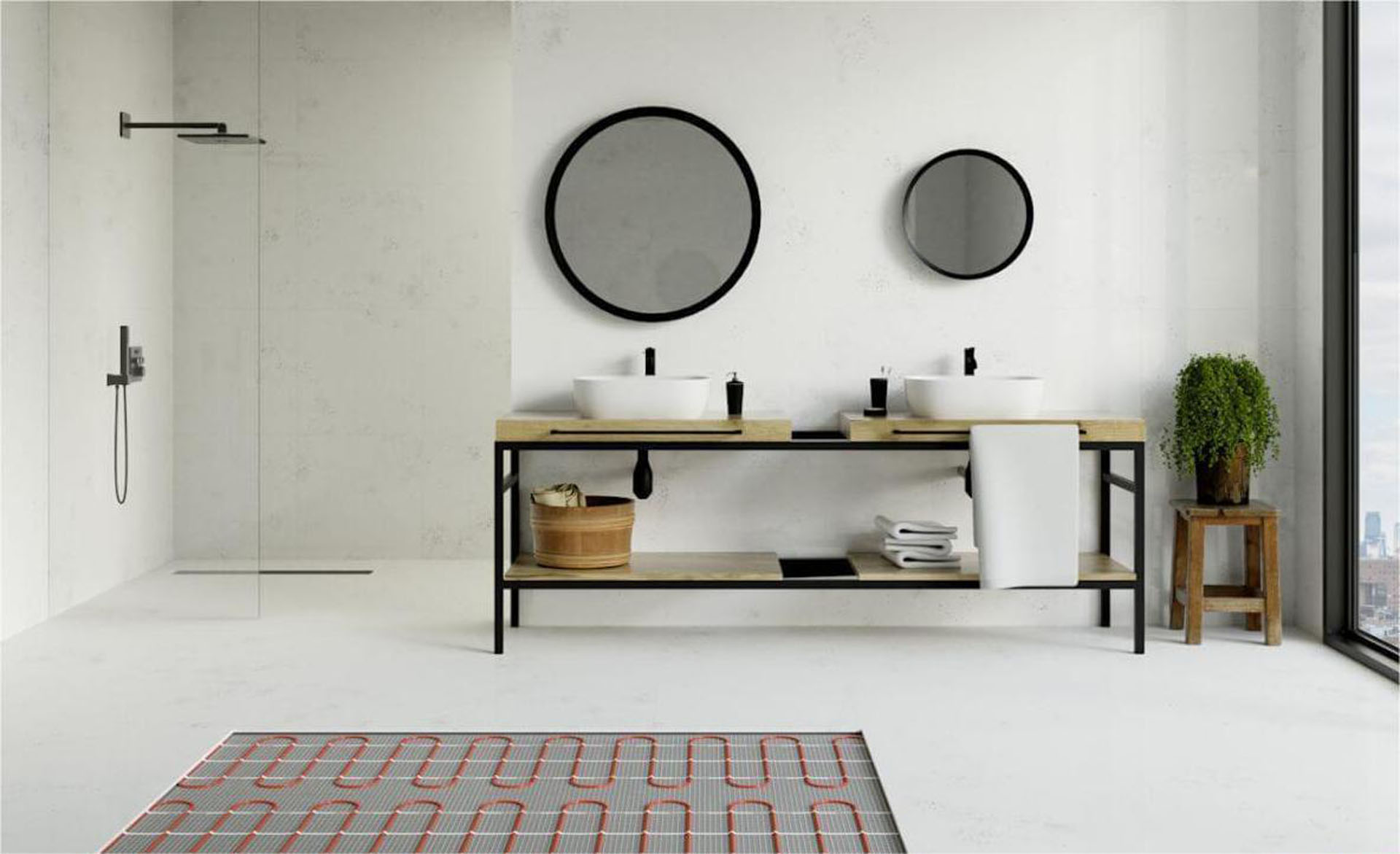
  • Insulation: Install a layer of cement board as a base to create a stable and moisture-resistant surface. For enhanced thermal comfort, especially in colder climates, consider underfloor heating systems beneath the tiles.
 
Carpet flooring
  • Description: Carpet is a soft flooring option available in various textures, colors, and patterns. It is known for providing warmth and comfort underfoot.
  • Insulation: Carpet underlays, typically made of foam, rubber, or felt, offer additional comfort, noise reduction, and thermal insulation. Thicker underlays provide better insulation, but make sure they do not affect the fit and stability of the carpet.
Concrete flooring
  • Description: Concrete floors are durable and versatile, commonly used in basements, garages, and modern industrial interiors. They can be polished, stained, or painted to achieve different looks.
  • Insulation: Insulate concrete floors with rigid foam insulation boards before pouring the concrete to prevent heat loss. For existing concrete floors, consider using insulated flooring materials or carpets to improve warmth.
Bamboo flooring
  • Description: Bamboo flooring is an eco-friendly alternative to solid wood, made from bamboo grass. It is durable and has a unique appearance.
  • Insulation: Similar to solid wood floors, bamboo flooring benefits from an underlay made of cork or foam for thermal and sound insulation. This also helps with moisture control.
Scroll to Top